Building a Curved Brick Wall
Stu builds a brick wall with a curve in it. How a curve is set out and kept true, and what a well-built curved wall looks like when it's finished.

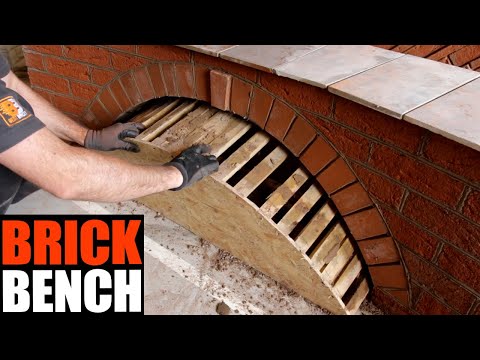
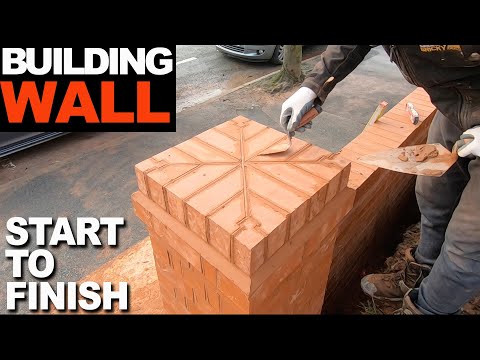
Curves are where brickwork gets interesting. A straight wall is laid to a line; a curved one can’t be, because a string pulled tight is always straight. In this video Stu builds a wall with a curve in it and shows how the curve is set out and held true as the courses go up.
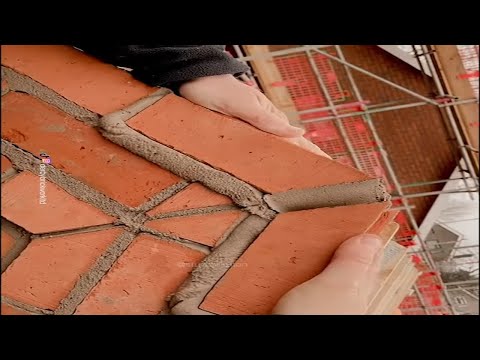
The general approach is to establish the curve at the base with a template or a fixed radius from a centre point, then check each course against it so the curve is the same at the top as it is at the bottom. The bricks on a tight curve want their joints opened slightly on the outside face and closed on the inside, so the wall sweeps smoothly rather than looking like a series of short straights. It takes patience: every brick is checked rather than run in against a line.
The video is a good look at how much slower and more deliberate curved work is, which is also why it costs more per metre than a straight run.
Who this is for: bricklayers who haven’t done much curved work, and homeowners thinking about a curved garden wall, a sweeping drive edge or a rounded corner who want to see what’s involved.
What a homeowner should expect from a good job: a smooth, even curve with no flats or kinks, courses that stay level around the curve, joints that open and close evenly on the outside and inside faces, and a bond that keeps running properly through the curve. Stand at one end and sight along it. A good curve flows; a poor one looks like a polygon.